
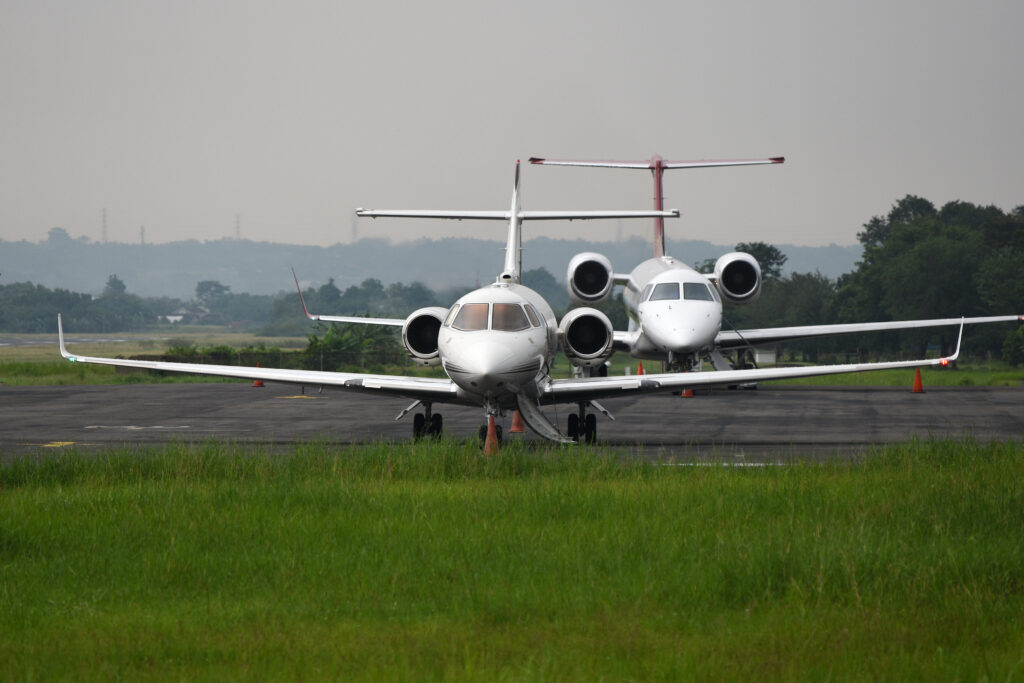
When chartering a private jet, one of the most important decisions is choosing the right aircraft.
For first-time flyers, the difference between jet categories may not always be clear. However, selecting the right aircraft directly impacts travel time, comfort, and overall efficiency.
Two of the most commonly used options are light jets and midsize jets. While both serve similar purposes, they are designed for different types of journeys.
Light jets are built for efficiency and shorter routes. They are typically ideal for:
These aircraft are commonly used for routes such as Mumbai to Delhi, Delhi to Jaipur, or Bengaluru to Hyderabad.
They offer a fast, practical solution for trips where the focus is on reaching the destination quickly, without unnecessary complexity.
Midsize jets offer more range, space, and onboard capability. They are better suited for:
Compared to light jets, midsize aircraft provide a more spacious cabin, increased luggage capacity, and improved in-flight comfort, especially on longer sectors.
One of the most defining differences between light and midsize jets is range.
Light jets are efficient for shorter sectors but may require refuelling on longer routes. Midsize jets are designed to cover greater distances without interruption.
For example:
Choosing the right range ensures the journey remains smooth and time-efficient.
Cabin design plays an important role, especially as travel time increases.
Light jets offer compact cabins that are comfortable for shorter durations. Midsize jets provide:
For longer journeys, this additional space can significantly improve comfort.
Luggage requirements are often overlooked but can influence aircraft selection. Light jets have limited baggage space, which works well for short trips or light travel. Midsize jets offer greater capacity, making them more suitable for:
Cost is another important factor when choosing between aircraft types. Light jets are generally more cost-effective due to:
Midsize jets come at a higher cost but offer greater range, space, and flexibility. The decision is not about choosing the cheaper or larger option, but selecting what fits the journey best.
The choice becomes clearer when aligned with the requirement:
Light Jets are ideal when:
Midsize Jets are better when:
Selecting the right aircraft is not just a technical decision — it directly affects the overall travel experience. An aircraft that is too small may limit comfort on longer routes. One that is larger than required may increase costs unnecessarily.
A well-matched aircraft ensures that the journey remains both efficient and comfortable.
Light jets and midsize jets are designed to serve different travel needs. Understanding their differences helps you make informed decisions and ensures that your journey is planned with precision.
The right aircraft is not defined by size, but by how well it fits your journey.